


Pittsburgh’s kindergartners fall below the measles safety threshold, testing the city’s vaccine legacy
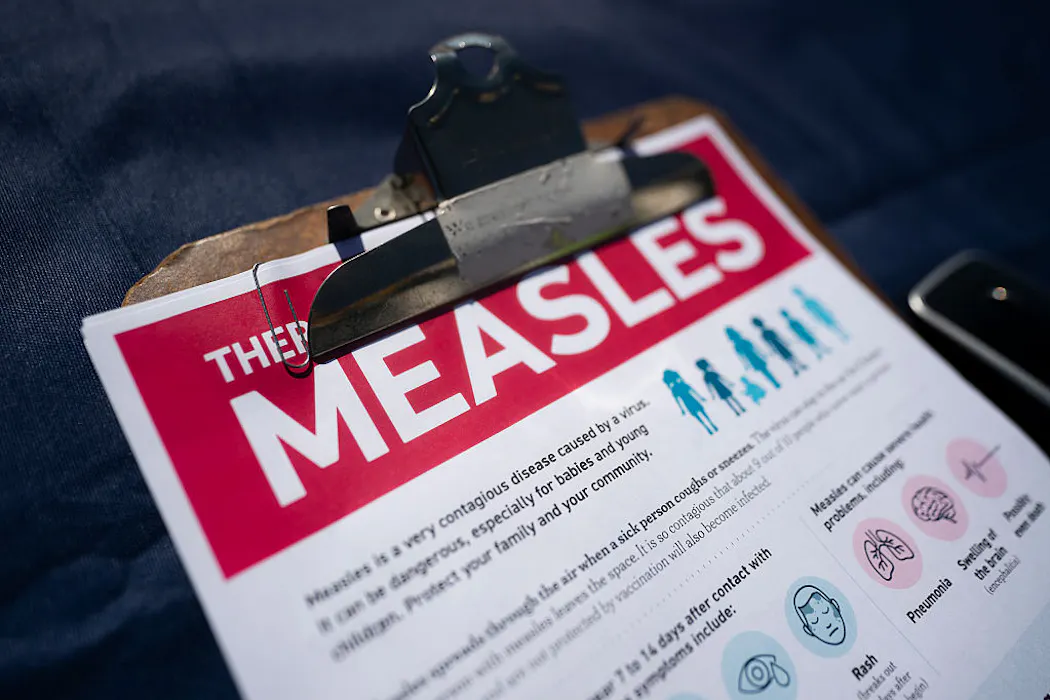
It takes a lot to knock football out of the headlines in Pittsburgh. But reports of measles cases, exposure alerts and calls for residents to double-check their vaccination status have dominated local news since August 2026.
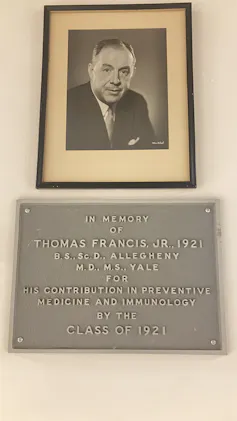
My office at Allegheny College, where I am an epidemiologist, is within a few steps of a classroom dedicated to Dr. Thomas Francis. Dr. Francis also coordinated the entire polio vaccine field trial, which included 1.8 million children, and deemed the polio vaccine “safe, effective, potent.”
As of Sept. 14, 2026, the Pennsylvania Department of Health has confirmed 693 measles cases across 38 of the state’s 67 counties this year, including 133 hospitalizations and three deaths among unvaccinated residents. That compares with 16 cases statewide in all of 2025.
Allegheny County reported its first case tied to the current outbreak in August, when the county health department warned of a potential exposure at UPMC Children’s Hospital’s emergency department. Two confirmed cases were diagnosed on Aug. 27, 2026, but the patients left the county afterward.
Pittsburgh is where Dr. Jonas Salk developed the first polio vaccine on the campus of the University of Pittsburgh. Children throughout the Pittsburgh area, including my father, lined up to participate in the Salk vaccine trials in 1954.
That history offers a useful lens for understanding today’s measles outbreak: what’s driving it, how it spreads, and what residents in the Pittsburgh area need to know.
Measles, explained
Measles is one of the oldest and most contagious diseases. In fact, measles was around when the Egyptian pyramids were being built. Archaeological evidence shows the measles virus in the Tigris and Euphrates river valley in 3000 B.C.E.
Measles is an acute respiratory virus. If an unvaccinated individual who has never had measles is exposed to the measles virus, they will likely become sick. Measles easily spreads through the air. Infected individuals are contagious 3-5 days before symptoms occur, a transmission mechanism known as asymptomatic spread. Viral particles remain active and infectious for up to two hours after a person with measles leaves a room.

Symptoms of measles include a fever as high as 105 degrees Fahrenheit, cough, runny nose, conjunctivitis and Koplik spots, which are small white or bluish-white spots that appear on the inside of the cheeks before the measles rash breaks out on the skin. These spots are the defining diagnostic feature of measles. Measles also results in a rash, known as a “bucket of paint rash” because it looks like someone spilled a bucket of red paint over the head of the sick person.
The rash is not contagious. This disease spreads when someone breathes in the virus.
Before there was a vaccine for measles, upward of 3 million people – mostly children – were infected in the U.S. each year, 48,000 were hospitalized, and as many as 500 died.
Measles was eliminated in the United States through vaccination in 2000, meaning person-to-person spread of the disease was disrupted. However, due to declining vaccination rates, measles is once again spreading throughout Pennsylvania, resulting in approximately four times as many measles cases in 2026 within the state as in the previous 30 years combined.
Measles vaccination rates need to be above 95% to prevent the disease from spreading. The current outbreak has affected a majority of Pennsylvania’s 67 counties, an indicator that even small declines in vaccination coverage result in large outbreaks.
The MMR vaccine is covered at no cost by most private insurance plans and is available free of charge to Medicaid-insured, uninsured or underinsured children at any of Pennsylvania’s 59 state health centers. The American Academy of Pediatrics recommends children receive two doses by ages 4 to 6 to ensure protection against measles.
Allegheny County’s kindergarten MMR vaccination rate was 91.8% for the 2025-26 school year – below the 95% threshold needed to stop measles from spreading and part of a decline the county health department has tracked for more than a decade.
If you’re exposed to measles
If you are vaccinated or have had measles, there is little risk – about 3% – that you will develop measles if exposed to the virus. There is no need to quarantine, but even vaccinated people should watch for symptoms of disease.
For people who are unvaccinated, including infants, the risk of developing a measles infection after exposure is approximately 90%. Unvaccinated individuals need to quarantine. Local health departments require them to stay away from others for 21 days to prevent the asymptomatic spread of disease.

If an individual in quarantine becomes ill, they will begin a minimum 14-day isolation.
Measles is a serious disease. Approximately 20% of people who get it will develop pneumonia; many will require hospitalization, and a few will die. Each measles case costs our healthcare system approximately US$43,000, according to a Johns Hopkins systematic review of outbreaks in 18 states.
The measles virus also has the ability to suppress one’s immune system. This means that after a bout of measles, survivors can be left more vulnerable to other infections they were previously protected against, sometimes for months or even years afterward.
In order to prevent measles from spreading in our communities, at least 95% of the population must be vaccinated. The MMR vaccine was designed to prevent an individual from developing measles. But there is an added bonus: When the majority of a population is vaccinated, there are community-wide effects, mainly that community transmission of measles will begin to decline.
Pittsburgh helped end one vaccine-preventable epidemic 70 years ago. The current measles outbreak could be a test of whether the local history still means something for vaccination rates today.

Rebecca Smullin Dawson does not work for, consult, own shares in or receive funding from any company or organization that would benefit from this article, and has disclosed no relevant affiliations beyond their academic appointment.
from The Conversation – Articles (US) https://ift.tt/58RTEAB

No comments: